Atelier_ElemSchool_LauraRowe-56 (1)

Curriculum

At Hominey Creek Independent School, we utilize both state and national standards, as guidelines for grade level expectations and markers of your child's academic progress. What makes our program unique is how we meet those benchmarks. When hands-on activities are integrated with the students' interests, stronger connections are made and students excel academically.

Arts integration and inquiry-based project learning are cornerstones of our educational philosophy. Through these dynamic approaches, students actively apply and internalize concepts, becoming integral contributors to their own learning journey. As a result, our students acquire not only academic knowledge but also lifelong skills that extend far beyond the classroom walls.

Environment

A Learning Environment Designed to Help Every Child Thrive 

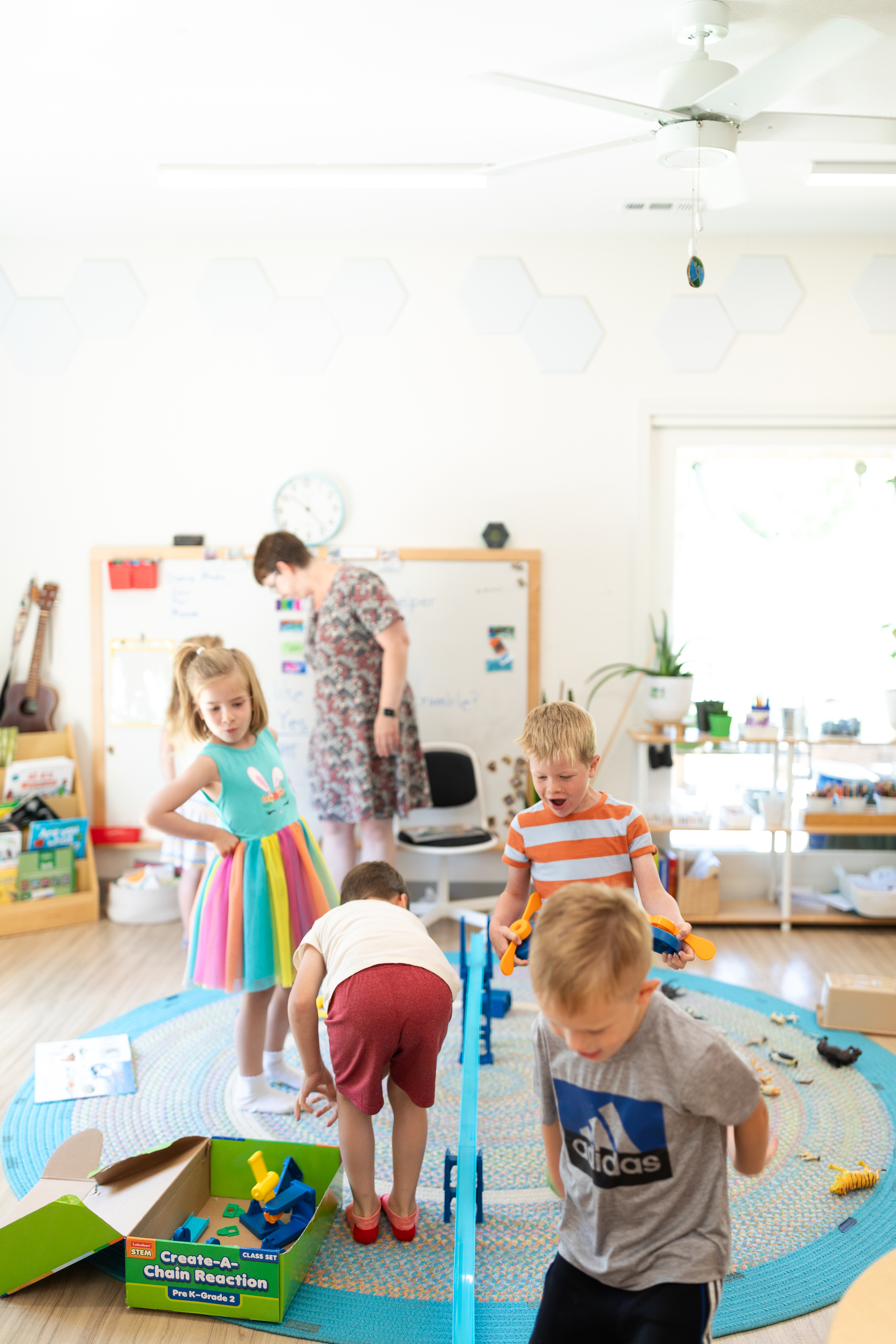
Our elementary learning environment is thoughtfully designed to inspire curiosity, creativity, and confidence. Bright, welcoming classrooms filled with natural light provide spaces where students can focus, collaborate, and explore. Hands-on materials encourage active learning and deeper understanding, creating meaningful experiences that engage every learner.

Inside Our Classrooms 

Small class sizes, assistant teachers, and individualized instruction ensure each student receives the attention they need to succeed. Teachers work with students in small groups to provide targeted support aligned with curriculum goals, while our Literacy Specialist partners with classroom teachers and individual students to strengthen reading and writing skills. Together, these personalized supports help every child build strong academic foundations and a lifelong love of learning. 
Atelier_June24_LauraRowe-15
342209119_1416702485742098_5512234082144684617_n

Academics in an Emergent Curriculum


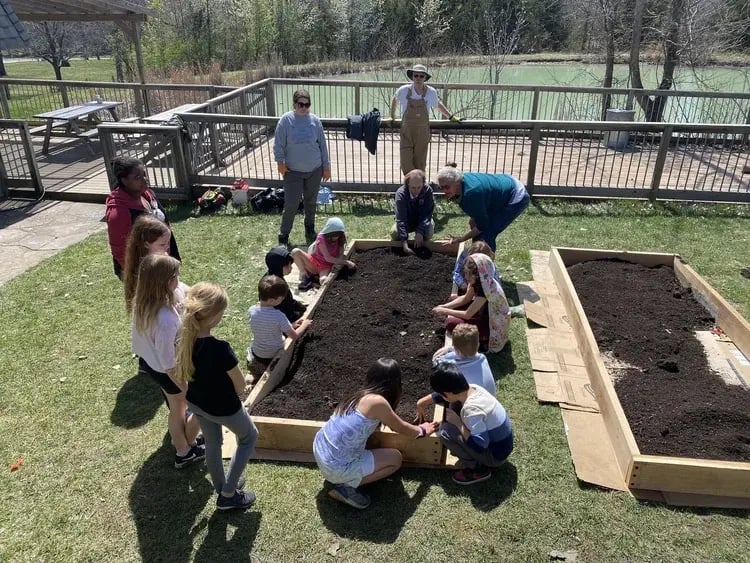
One afternoon at recess, students noticed that acorn caps look like little hats on top of the acorn "heads" and began collecting them in small containers. Their teacher encouraged them to collect as many acorns as they could find, and the children excitedly rush around at their task, getting exercise, strengthening gross and fine motor skills, and improving hand-eye coordination in the process.


The next morning, the teacher introduced a scientific investigation of the acorns for morning work time. The teacher asked a few questions, and then invited other questions from the students, making a list of them on the chalkboard. 

"How many acorns did you find?" "What kinds of acorns?" "What did they look like?" "Are they all the same size?"

This lead into a process of acorn data collection (counting, categorizing, measuring length, weight). The students then counted the acorns in groups, and added the groups together to find a sum. They qualitatively described the acorns, and grouped them by appearance. The teacher provided research materials to the students which helped them identify the different acorn species..

Each student then wrote a summary of their research, including both English and Spanish describing words, and created a bar graph to show what they learned about the acorns in their playground. Over the next couple of weeks, the students remained actively engaged in the acorn project, creating a game called "Guess how many acorns are in the jar" for their friends, parents, and other teachers in the school, and creating acorn sculptures of tiny fairies wearing acorn hats.

schedule

Our Daily Schedule

7:30 am: Early Drop-Off

8:30 am: School Day Begins (doors open at 8:20)

8:30-9:00am: Outside

9:00-11:30am: Morning Work Cycle (academic subjects in both individual and small group)

11:30am-12:00pm: Lunch

12:00-1:00pm: Outside

1:00-3:00: Varies by class. Afternoons are for specials, library visits, long term projects, and additional work time. *jk/k students have at least 30 min rest time.

3:15-3:30: End of School Day

3:30-5:30: Extended Pick-Up

masterminds behind 1406

We are looking for talented professionals